

In today's fast-paced digital landscape, the landscape of business is undergoing a profound transformation. Disruptive innovation is not just a buzzword; it has become a necessity for organizations aiming to stay ahead of the curve. As consumer behaviors shift and technology evolves, businesses must adopt strategic roadmaps that align with these changes to unlock growth opportunities and expand their market reach. This is where strategic consulting and financial advisory play a pivotal role, guiding companies through the complexities of digital transformation.
Startups, in particular, are at the forefront of this creative disruption. With their agility and innovative spirit, they are reshaping traditional industries and redefining how media entities engage with audiences. However, scaling these startups requires a keen understanding of resource allocation, business development, and the nuances of digital media. By leveraging strategic advisory services, companies can navigate the challenges of growth and harness the potential of innovation to propel their success in the digital age.
Understanding Disruptive Innovation
Disruptive innovation refers to the process by which a smaller company with fewer resources is able to successfully challenge established businesses. This often occurs when the new entrants target overlooked segments of the market, initially offering simpler, more affordable solutions. By focusing on these niches, disruptive innovations can eventually move upmarket and displace established players, fundamentally changing the competitive landscape.
The digital age has accelerated the pace and impact of disruptive innovation, particularly in industries such as media and technology. Startups leveraging digital tools and platforms are able to scale rapidly, often capturing significant market share by providing innovative products and services. This shift emphasizes the need for traditional media entities and businesses to be agile and responsive in order to remain relevant amid rising competition.
To effectively navigate this dynamic environment, companies must adopt strategic roadmaps that prioritize innovation and adaptability. By allocating resources toward digital transformation and embracing creative disruption, organizations can unlock new growth opportunities. Strategic advisory can guide businesses in recalibrating their approach, ensuring they are well-equipped to tackle the challenges and seize the potential offered by disruptive innovation.
Creating Strategic Roadmaps
Developing a strategic roadmap is essential for navigating the complexities of disruptive innovation in the digital age. This process begins with a thorough assessment of the current market landscape and the identification of growth opportunities that align with the organization's vision and objectives. A well-crafted roadmap allows businesses to visualize their goals, allocate resources effectively, and pinpoint key milestones necessary for success. It serves as a guiding framework to help teams stay aligned and focused on priorities amidst the fast-paced changes in technology and consumer behavior.
Once the foundational elements are established, the next step is to create a detailed action plan that outlines specific strategies and initiatives. This plan should encompass digital transformation efforts to enhance operational efficiency and improve customer engagement. Businesses must also consider how to expand their market reach through innovative product development and strategic partnerships. Collaborating with media entities and leveraging digital media platforms can amplify outreach and engagement, ultimately driving growth and establishing a competitive edge.
Finally, continuous evaluation and adaptation of the roadmap are crucial. Monitoring progress against the set goals allows organizations to identify areas for improvement and make necessary adjustments. Embracing creative disruption means being open to pivoting strategies in response to new insights and changing market conditions. By fostering a culture of innovation and agile decision-making, businesses can not only scale effectively but also ensure sustained growth in a landscape marked by constant change.
Leveraging Digital Transformation
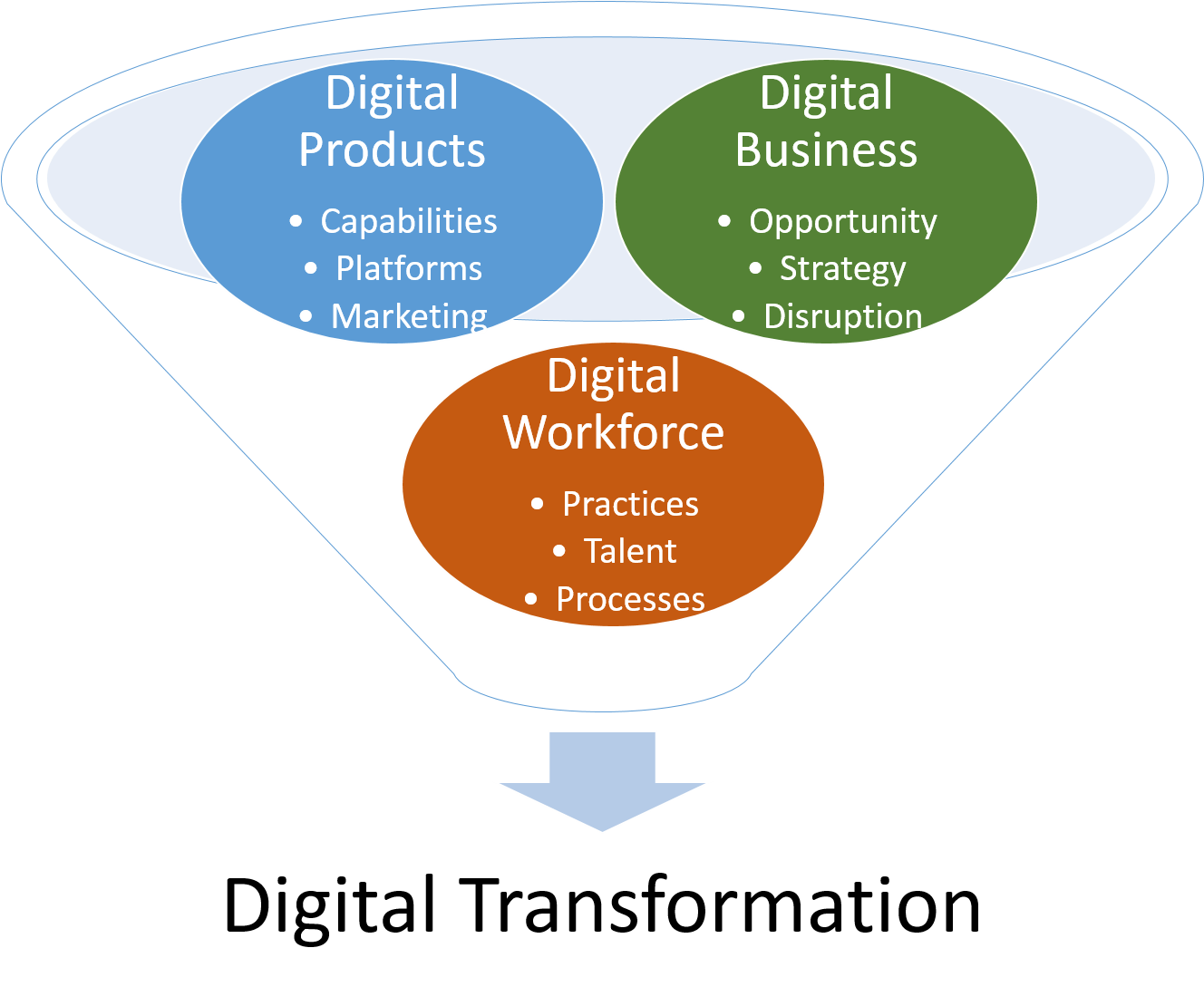
Digital transformation is a critical driver for businesses aiming to remain competitive and relevant in today's fast-paced environment. By integrating advanced technologies into their operations, organizations can streamline processes, enhance customer experiences, and improve decision-making. This transition enables businesses to harness data analytics, artificial intelligence, and cloud computing, which are essential for gaining insights into market trends and consumer behaviors. For startups, embracing these technologies is particularly vital as they often operate with limited resources and need to optimize their operations for maximum impact.
In the context of strategic consulting and financial advisory, digital transformation offers unique opportunities to develop tailored strategies that align with a company’s growth objectives. Consultants can assist businesses in identifying areas where digital solutions can lead to increased efficiency and innovation. By conducting thorough assessments and providing strategic roadmaps, advisors can help organizations allocate resources more effectively, ensuring that investments in technology yield significant returns. This strategic alignment is crucial for media entities and startups that thrive on adaptability and rapid response to market changes.
Moreover, the role of digital transformation extends beyond operational enhancements; it is also fundamental in fostering a culture of innovation. Creative disruption can arise when organizations encourage experimentation and embrace new digital tools. By cultivating an environment where ideas can flourish, companies can drive breakthrough innovations that enhance their market reach. As businesses scale, leveraging digital transformation not only supports their immediate growth but also positions them as leaders in their industries, ready to tackle future challenges head-on.
Market Opportunities in Media Entities
Media entities are at the forefront of transformative changes, presenting significant opportunities for growth and innovation. As audiences increasingly consume content through digital platforms, traditional media has the chance to pivot and develop strategic roadmaps that embrace this shift. Understanding the evolving landscape enables media businesses to identify niches that cater to specific demographics, driving engagement and loyalty. By leveraging data analytics and audience insights, media entities can tailor their offerings, ensuring that they not only meet current demands but also anticipate future trends.
Moreover, the rise of digital media presents a wealth of possibilities for startups seeking to enter the market. New entrants can disrupt established players by offering unique value propositions, such as personalized content or innovative delivery methods. Strategic consulting plays a crucial role in this context, assisting startups in crafting effective business development strategies that enhance market reach. This involves resource allocation that balances investment in technology with creative content production, ultimately leading to sustainable growth and competitive advantage.
Furthermore, collaboration among media entities can amplify growth opportunities. Partnerships, whether through joint ventures or strategic alliances, can help leverage collective strengths and enhance market presence. By pooling resources and expertise, entities can explore new channels for distribution and content creation, fostering an environment ripe for innovation. This creative disruption not only benefits individual businesses but also enriches the entire media landscape, paving the way for an ecosystem where diverse voices and ideas thrive.
Resource Allocation for Growth
Effective resource allocation is critical for startups aiming to harness growth opportunities in the digital age. This requires a clear understanding of where to invest time, capital, and talent to maximize market reach. By prioritizing initiatives that align with strategic roadmaps, businesses can ensure that their resources are directed towards projects that not only promise returns but also foster innovation. The prioritization process should be data-driven, allowing organizations to assess potential impacts and make informed decisions about where to channel their efforts.
Additionally, resource allocation must adapt to shifting market conditions and technological advancements. In an environment characterized by creative disruption, the ability to pivot resources quickly in response to new developments is essential. Companies should regularly evaluate their spending and operational focus, identifying areas where they can reduce waste and reallocate resources to higher-impact initiatives. This agile approach to resource management enables firms to stay competitive while pursuing long-term growth goals.
Finally, collaboration between departments can enhance the effectiveness of resource allocation strategies. By fostering cross-functional teams, startups can leverage diverse expertise and perspectives, leading to more innovative solutions and better utilization of available resources. Encouraging open communication about financial and operational requirements helps ensure that all sectors of the organization are aligned in their pursuit of shared objectives, ultimately driving successful digital transformation and scalability.
Scaling Startups Effectively
Scaling startups requires a robust strategy that aligns with the company's vision while responding to evolving market demands. Founders must create a strategic roadmap that outlines their growth objectives, identifies key performance indicators, and establishes measurable milestones. This clarity not only helps in tracking progress but also aids in communicating the company's goals to stakeholders, ensuring that everyone is on the same page during the scaling journey.
Resource allocation is crucial during this phase. Startups often face limited resources, so prioritizing where to invest time, capital, and human resources can significantly impact their scaling efforts. Leveraging financial advisory services can provide valuable insights into budgeting and funding options, allowing startups to make informed decisions that maximize their market reach. By understanding the dynamics of their target market and optimizing resource distribution, startups can enhance their operational efficiency and drive sustainable growth.
Lastly, embracing creative disruption is essential for startups aiming to stand out in a crowded digital landscape. Innovation should be at the heart of their scaling strategy, encouraging the exploration of new technologies and business models. By fostering a culture of experimentation and adaptability, startups can respond to changing consumer preferences and capitalize on emerging trends. Creating a strategic advisory framework not only aids in navigating these challenges but also positions startups to seize growth opportunities and create lasting impact in their respective industries.
The Role of Strategic Advisory
Strategic advisory plays a crucial role in navigating the complexities of today's digital landscape. As businesses face rapid technological advancements and shifting market dynamics, having a clear strategic direction becomes essential. A strategic advisor helps organizations identify growth opportunities, streamline operations, and allocate resources effectively, ensuring that companies are well-positioned to respond to disruptive changes. Their expertise enables startups and established media entities alike to craft tailored solutions that drive innovation and enhance market reach.
In addition to providing insights on resource allocation, strategic advisors also assist in developing comprehensive strategic roadmaps. These roadmaps serve as guiding frameworks that outline actionable steps for businesses to achieve their goals and navigate potential challenges. By integrating financial advisory services, strategic advisors help organizations understand the financial implications of their decisions and prioritize initiatives that align with their long-term vision. This holistic approach fosters not only immediate growth but also sustainable scalability in an ever-evolving digital economy.
Moreover, the influence of strategic advisory extends beyond just operational and financial guidance. In an era characterized by creative disruption, advisors empower businesses to challenge traditional paradigms and embrace innovation. By fostering a culture of adaptability and forward-thinking, strategic advisors enable companies to not just survive but thrive in the face of competition. Ultimately, their role is vital in shaping the future of startups and media entities, ensuring they remain relevant and competitive in a rapidly changing environment.