

In today's rapidly evolving landscape, the intersection of philanthropy and leadership plays a crucial role in shaping the futures of executives and their organizations. As leaders navigate the complexities of a globalized world, the ability to give back and foster a culture of empathy becomes increasingly essential. Purposeful philanthropy is more than just a charitable act; it is a powerful tool that can transform lives, cultivate personal growth, and develop the next generation of leaders. By embracing generosity as a core value, executives can create a legacy that not only elevates their professional journey but also enriches their communities.
At the heart of transformative leadership lies the commitment to continuous improvement and self-development. Future leaders who engage in philanthropic endeavors often find a deeper sense of personal fulfillment and achievement. Through acts of giving back, they cultivate empathy and self-discipline, essential qualities that contribute to executive excellence. The recognition and awards that accompany such efforts further amplify their impact, reinforcing the idea that success is not solely defined by profits but also by a meaningful legacy of contribution and growth. As we explore the profound influence of purposeful philanthropy, it becomes clear that the leaders of tomorrow will be those who prioritize both individual success and the greater good.
The Essence of Transformative Leadership
Transformative leadership is centered around the idea of fostering a vision that goes beyond personal or organizational success. It involves a profound commitment to social responsibility and philanthropy, where leaders understand the significance of giving back to their communities. By embodying empathy and generosity, these leaders inspire others to engage in purposeful philanthropy. This approach not only benefits those in need but also cultivates a deeper sense of fulfillment and purpose among executives, reinforcing their roles as stewards of change.
Such leadership thrives on the intersection of professional and personal growth. Executives who practice transformative leadership prioritize their own self-development while encouraging their teams to pursue similar paths. This dual focus on personal and professional enhancement leads to an environment where learning and continuous improvement are valued. As leaders reflect on their experiences, they cultivate a mindset that embraces challenges, promotes resilience, and inspires others to achieve excellence in their endeavors.
The legacy of transformative leadership is evident in its lasting impact on future leaders. By recognizing and rewarding acts of generosity and commitment to social causes, organizations can create a culture that emphasizes the importance of philanthropy in leadership. This not only shapes the leadership future but also transforms lives, demonstrating that success is not solely measured by achievements but also by the positive influence leaders have on their communities and the next generation of executives.
Philanthropy as a Catalyst for Change
Philanthropy plays a crucial role in shaping compassionate leaders who understand the value of giving back to their communities. Through acts of generosity and support for various causes, executives can demonstrate empathy and strengthen their leadership skills. These experiences allow them to connect with individuals from diverse backgrounds, fostering a deep sense of purpose and commitment to social responsibility that transcends their professional roles.
As executives engage in purposeful philanthropy, they often find that their personal growth parallels their professional development. Contributing to meaningful initiatives enables leaders to reflect on their values and motivations, enhancing their self-awareness. This journey of self-discovery cultivates resilience and self-discipline, essential qualities for achieving executive excellence, making them more effective in their organizational roles as they cultivate cultures rich in empathy and collaboration.
Moreover, philanthropy serves as a platform for future leaders to learn about the intersection of social impact and business strategy. By actively participating in community projects and nonprofit organizations, emerging executives gain practical experience in problem-solving, resource allocation, and stakeholder engagement. This hands-on approach not only transforms lives but also equips them with the skills and insights necessary to drive innovation, success, and excellence in their future leadership endeavors, ultimately contributing to a legacy of positive change.
Empathy in Executive Development
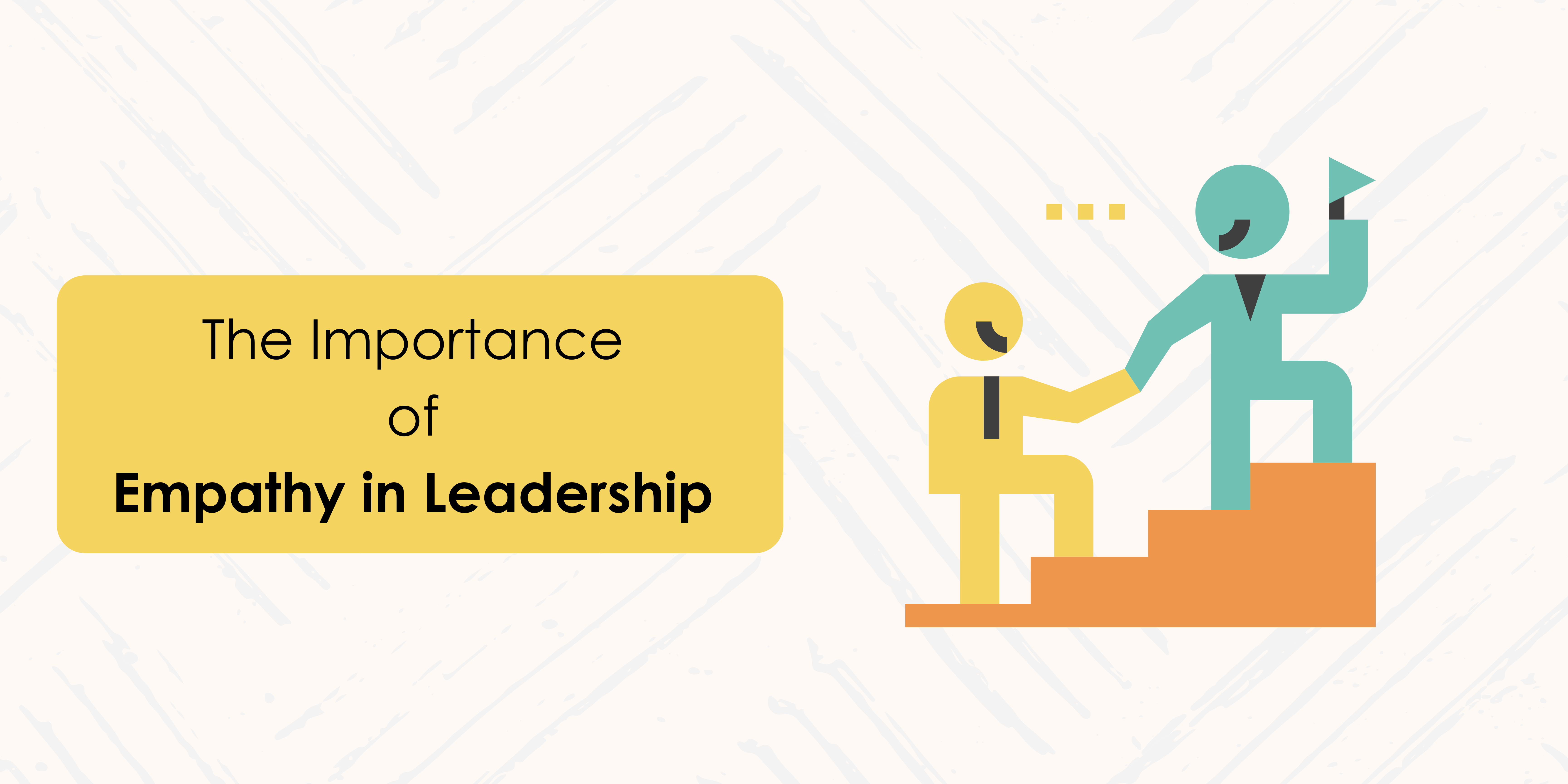
Empathy serves as a cornerstone in the evolution of effective leaders. For executives, understanding the emotions and experiences of others fosters stronger relationships and trust, which are vital for creating cohesive teams. When leaders exhibit genuine care and concern for their peers and employees, they lay the groundwork for a supportive work environment. This emotional connection enhances collaboration and boosts morale, ultimately driving organizational success.
As future leaders cultivate their empathy skills, they also develop essential attributes such as active listening and open communication. These skills facilitate more meaningful interactions with team members, allowing executives to appreciate diverse perspectives and foster an inclusive workplace culture. By prioritizing empathy in their personal growth, leaders can better navigate complex challenges and make informed decisions that benefit both their teams and the broader organization.
The integration of empathy into executive development programs not only transforms individual leaders but also impacts the organization's leadership legacy. When executives value empathy in their leadership approach, they can inspire others to do the same, creating a ripple effect throughout the organization. This commitment to understanding and uplifting others is a vital component of purposeful philanthropy, reinforcing the connection between personal fulfillment and professional achievement while driving continuous improvement in leadership practices.
The Role of Generosity in Building Leadership
Generosity serves as a cornerstone in the development of effective leadership. When leaders prioritize giving back, they cultivate a sense of empathy that is critical for understanding the needs and challenges faced by their teams. This empathy fosters strong relationships, inspiring loyalty and commitment among employees. Leaders who practice generosity create an inclusive environment where everyone feels valued, enhancing collaboration and innovation. This not only improves workplace morale but also sets a powerful example for future leaders, demonstrating that success is not solely measured by personal achievements but by the impact one has on others.
Moreover, generous leaders often experience significant personal growth. By engaging in purposeful philanthropy, they gain a deeper understanding of social issues and the diverse perspectives of the communities they serve. This continuous learning process enhances their problem-solving abilities and decision-making skills, equipping them to navigate complex challenges more effectively. As they reflect on their philanthropic experiences, these leaders recognize the value of self-discipline and determination in achieving both personal and professional fulfillment. Such experiences contribute to their journey towards executive excellence, blending altruism with business acumen.
Lastly, the impact of generosity extends beyond immediate benefits, shaping a lasting leadership legacy. Leaders who actively engage in philanthropy not only transform lives within their communities but also inspire their organizations to adopt similar values. Recognition and awards for their philanthropic efforts can further amplify their influence, encouraging others to follow suit. By promoting a culture of giving back, these leaders pave the way for future executives to prioritize empathy and generosity in their own leadership journeys, ultimately contributing to a more compassionate and successful corporate landscape.
Recognition and Awards in Philanthropic Leadership
Recognition and awards play a significant role in reinforcing the value of philanthropic leadership. When executives and leaders are acknowledged for their contributions to society through charitable endeavors, it not only validates their efforts but also inspires others within the corporate community to engage in similar activities. These accolades highlight the essential connection between leadership and giving back, thereby amplifying the message that true success is measured by the impact one has on the lives of others. Each recognition serves as a reminder that leadership extends beyond the boardroom and into the communities that leaders serve.
Moreover, awards in philanthropic leadership foster a culture of empathy and generosity among future leaders. They serve as powerful motivators for executives to consider how their roles can influence positive change. By celebrating those who embody the spirit of purposeful philanthropy, organizations can cultivate an environment that prioritizes self-discipline, personal growth, and professional development. This often results in a ripple effect, encouraging more individuals to participate actively in charitable initiatives, thereby transforming the leadership landscape into one that values compassion and social responsibility.
Finally, the impact of recognition does not stop at individual achievements; it also contributes to a legacy of excellence within industries. When leaders are publicly honored for their philanthropic efforts, it establishes a benchmark for future executives to aspire to reach. This legacy encourages continuous improvement and reflection on personal and professional goals, deepening the commitment to transformative leadership. As more leaders embrace philanthropic endeavors, the collective recognition becomes a paradigm shift, reshaping the expectations of what it means to be an executive in today's society.
Continuous Improvement and Personal Fulfillment
Continuous improvement is a cornerstone of effective leadership, fostering an environment where personal growth is emphasized alongside professional development. Leaders who embrace this principle understand that their journey does not culminate in achieving a particular status or recognition; instead, it is an ongoing process of learning and self-discovery. This commitment to growth ensures that they remain adaptable and responsive to the evolving challenges of their roles, ultimately contributing to their effectiveness and the success of their organizations.
Personal fulfillment emerges as leaders engage in purposeful philanthropy, allowing them to cultivate empathy and connection with the communities they serve. By giving back, executives not only transform lives but also deepen their understanding of diverse perspectives and experiences. This sense of purpose fuels their motivation, enhancing their leadership style and encouraging a culture of generosity within their teams. As leaders invest in the well-being of others, they simultaneously progress on their own personal journey, gaining insights that enhance their self-discipline and drive.
The intersection of recognition and continuous improvement further bolsters the link between leadership and personal fulfillment. Awards and accolades serve as external validation of an individual's contributions, yet their true value lies in the inspiration they provide for ongoing development. Celebrating achievements encourages leaders to reflect on their journey and identify areas for growth, fostering a mindset focused on excellence. In this way, the pursuit of success becomes a shared experience that not only honors individual accomplishment but also highlights the impact of leadership on future generations.
Crafting a Leadership Legacy Through Purposeful Giving
A true leadership legacy is often defined by the impact one leaves on others, and purposeful philanthropy serves as a powerful avenue for creating that impact. When leaders actively engage in giving back, they not only uplift communities but also set a profound example for future executives. This act of generosity highlights the values of empathy and self-discipline, encouraging others to reflect on their capability to effect positive change. Through meaningful contributions, leaders can transform lives and instill a culture of excellence in their organizations and beyond.
The intersection of philanthropy and professional development offers a unique opportunity for personal growth among executives. By immersing themselves in philanthropic endeavors, leaders cultivate virtues such as humility and gratitude, essential for effective leadership. This journey fosters continuous improvement and learning, enabling them to refine their skills and enhance their emotional intelligence. As they navigate their philanthropic paths, they prioritize self-development, which ultimately enriches their roles as mentors and guides for future leaders in their organizations.
Recognition and meaningful engagement in philanthropy can significantly impact a leader's legacy. Awards and accolades are not merely instances of achievement; they are reflections of a leader's commitment to excellence and their efforts to transform the lives of others. By embracing purposeful philanthropy, leaders can weave a narrative of success that emphasizes a dedication to generosity and the empowerment of others. This legacy, rooted in empathy and active giving, will inspire generations of leaders to follow suit, leading to a more compassionate and responsible business landscape.